If you’re planning a kitchen remodel, one of the biggest decisions you’ll face is choosing your countertop material. Quartz and granite are consistently the two most popular options among San Antonio homeowners—and for good reason. Both are durable, beautiful, and capable of transforming an outdated kitchen into a space you genuinely love spending time in. But they’re not the same material, and the differences matter. Understanding what sets them apart will help you make a choice you’ll be happy with for years to come.
What Is the Difference Between Quartz and Granite Countertops?
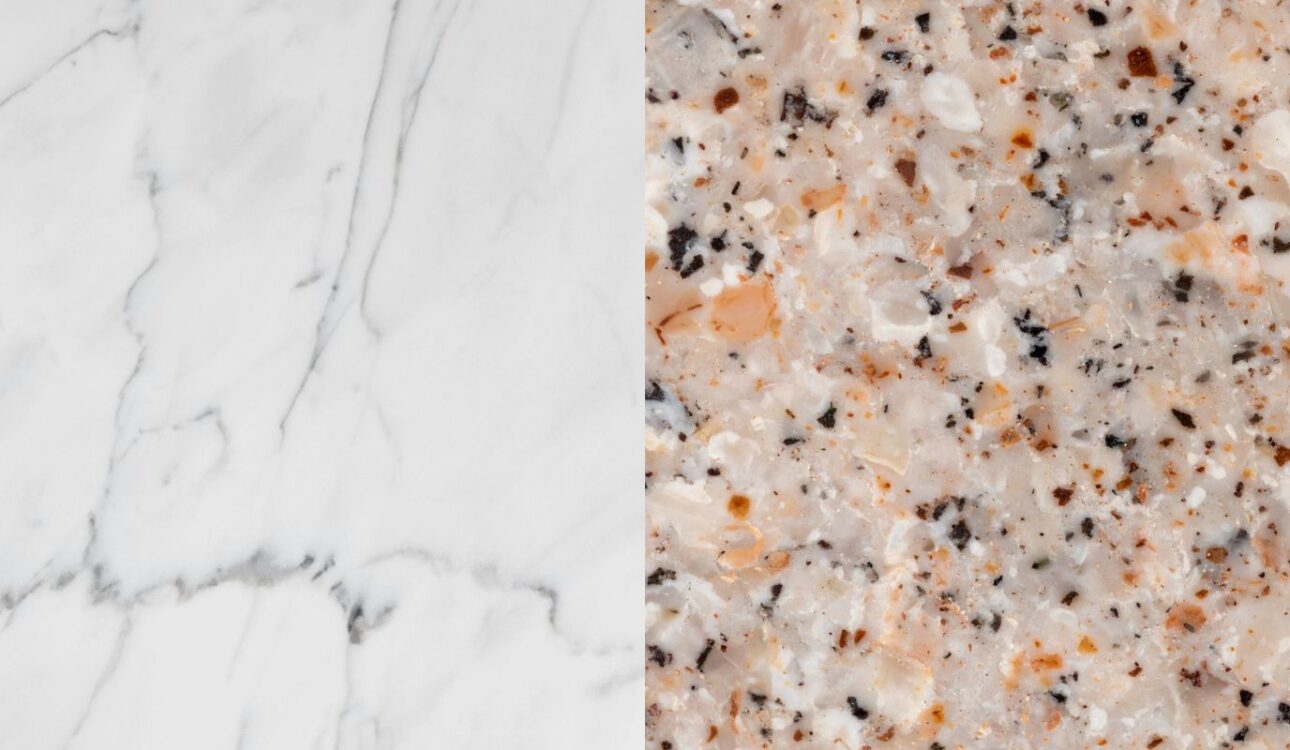
Granite is a natural stone, quarried directly from the earth and cut into slabs. Each piece is completely one-of-a-kind, with its own pattern of veining, color variation, and mineral deposits. If you want something that no other kitchen in San Antonio has, granite delivers that naturally.
Quartz, on the other hand, is an engineered stone. It’s made from roughly 90–95% crushed natural quartz combined with resins and pigments. That manufacturing process gives quartz countertops a more controlled, consistent appearance—and it’s also what makes quartz so durable and low-maintenance compared to other stone options.
Durability and Daily Use
Both materials are tough, but they hold up differently depending on how your kitchen gets used. Quartz is non-porous by design, which means it resists staining without any sealing. Spill red wine, coffee, or tomato sauce on a quartz surface and a quick wipe takes care of it. Granite, while extremely hard, is naturally porous and requires periodic sealing—typically once a year—to prevent liquids from absorbing into the surface and causing stains over time.
For heat resistance, granite has a slight edge. As a natural stone, it can handle a hot pan set directly on the surface without damage. Quartz can be sensitive to sudden or prolonged heat exposure due to the resin content in its composition, so using trivets is always recommended. In a busy family kitchen where the countertops take a beating daily, this is worth factoring into your decision.
Appearance and Design Flexibility
This is where personal preference really drives the conversation. Granite’s natural variation is part of its appeal—every slab is unique, and the organic patterns can range from subtle and understated to bold and dramatic. If you’re drawn to a more natural, earthy aesthetic, granite tends to resonate with that vision.
Quartz offers much more predictability in terms of appearance. Because it’s manufactured, you can find options that mimic the look of marble, concrete, or even exotic stone—often at a fraction of the cost of the real thing. The color consistency also makes it easier to match quartz to specific cabinet colors and flooring, which is a real advantage during the design planning phase of a remodel. You can explore the full range of quartz and granite countertop options available through New Generation Kitchen & Bath to get a sense of the variety that’s out there.
Maintenance Requirements
If low maintenance is a priority, quartz is the clear winner. It doesn’t need to be sealed, it’s resistant to bacteria and mold growth, and cleaning it is as simple as soap and water. For busy households—especially those with young kids—that ease of care is a meaningful advantage.
Granite requires a bit more attention. Without regular sealing, it can absorb liquids and develop stains or even harbor bacteria in the porous surface. That said, many homeowners find the sealing process easy enough that it doesn’t feel like much of a burden. According to Consumer Reports, proper sealing can keep granite countertops performing well for decades—so it’s not a dealbreaker, just something to stay on top of.
Cost Comparison in San Antonio
Pricing for both materials varies based on the grade of the slab, the complexity of the installation, and the overall scope of your kitchen remodel. In general, quartz and granite sit in a similar price range—though entry-level granite can sometimes come in at a lower cost, and premium quartz slabs with high-end aesthetics can push the budget further. The real cost driver is usually the total square footage of your countertop surface and whether any custom edge profiles or cutouts are involved.
It’s also worth considering long-term value. Both materials consistently rank among the upgrades that add measurable resale value to a home. According to the National Association of Realtors, kitchen renovations—particularly countertop upgrades—remain one of the most effective ways to increase a home’s appeal and market value.
Which One Is Right for Your Kitchen?
There’s no universal answer, and that’s actually good news—it means you have two excellent options to choose from. If you want something truly unique, with natural variation and proven heat resistance, granite is a strong choice. If you prefer a surface that’s consistent in appearance, virtually maintenance-free, and highly resistant to staining, quartz is hard to beat.
The best way to decide is to see both materials in person and talk through how your kitchen actually gets used day-to-day. The kitchen remodeling process at New Generation Kitchen & Bath includes a design consultation where material selection is part of the conversation—so you’re never making these decisions alone or without expert guidance.
If you’re still weighing your options or want to see how quartz and granite look installed in real homes, take a look at our completed kitchen projects for inspiration. Every remodel starts with a single decision—and getting the countertop right is one of the most impactful ones you’ll make.