Most people choose cabinets by the door they can see and never think about the box behind it. That is backwards. The biggest construction decision in your kitchen, framed or frameless, is the part you cannot judge from a showroom photo, and it quietly shapes your drawer space, how the cabinet ages, and which door styles will look right. Here is what actually separates the two, and how to choose for a San Antonio kitchen rather than a catalog image.
Framed vs frameless: the quick answer
Framed cabinets have a face frame, a flat solid-wood border (usually 1.5 to 2 inches) around the front of the box, the way most American kitchens have been built for decades. Frameless cabinets, sometimes called full-access or European, skip that frame so the doors mount directly to the box. Frameless gives you wider drawer boxes and easier access; framed gives you a forgiving install and a traditional look. Neither is better in the abstract; the right choice depends on your kitchen size, your style, and how your home is built. Both are available on our semi-custom cabinets, sized to fit your kitchen.
What is a framed cabinet
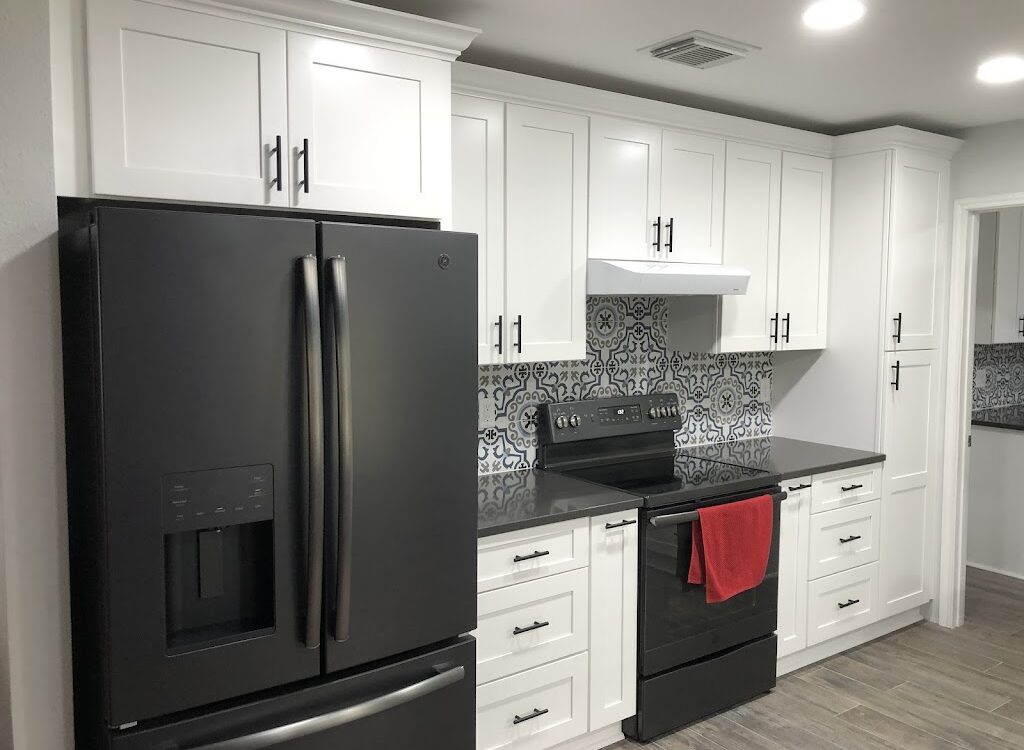
A framed cabinet has a solid-wood face frame on the front of the box, and the door sits against or within it. The frame adds rigidity, makes the cabinet forgiving to install where nothing is perfectly square (which describes most older San Antonio houses), and supports traditional looks. Worth knowing: a framed box does not have to mean a dated look. A full-overlay framed cabinet, where the doors cover almost the entire frame, gives you the clean, modern face most buyers want while keeping the structural and installation advantages of a framed box. It is the most popular construction in the market right now for exactly that reason.
What is a frameless cabinet
A frameless cabinet mounts the door directly to the box with no face frame in the way. It does not add interior volume (a 24-inch cabinet is 24 inches wide either way), but it does give you wider drawer boxes, since you no longer lose roughly 1.5 inches per side to the frame, and easier reach into the cabinet. Because there is no face frame to stiffen things, the box carries all the load, so frameless boxes use thicker sides (typically 3/4 inch versus the 1/2 inch common on framed cabinets) and the quality of the box matters more. Frameless suits modern and flat-panel looks, though a frameless Shaker is entirely possible too.
Space and access: how frameless helps a tight kitchen
In a compact galley or a small kitchen in an older central San Antonio home, the full-access opening and wider drawers of frameless give you more workable storage for the same footprint, which is exactly what a tight kitchen needs. Worth noting for double-door cabinets: framed cabinets can be built with a center stile or, on many lines, with butt doors that meet in the middle for clear access, so framed does not automatically mean a post blocking the opening. If access and drawer width are your top priority and the kitchen is small, frameless still tends to win.
Cost difference and what you pay for
Frame type alone is not the main cost driver. Door style, material, finish and hardware move the price far more than whether there is a face frame. Within the same line, framed and frameless often land close together, with frameless sometimes a little higher. There is a second cost most guides skip, though: installation. Frameless has almost no tolerance, so in an older, out-of-plumb home an installer has to scribe panels and shim every box to keep the doors aligned, which takes longer and costs more than a comparable framed install, where the face frame hides small wall and floor imperfections. Because pricing is project-based, the way to compare the two for your kitchen is a design consultation. A complete cabinet and countertop renovation typically starts at around $8,000, and our guide to kitchen cabinet costs covers the bigger budget picture.
Style pairings
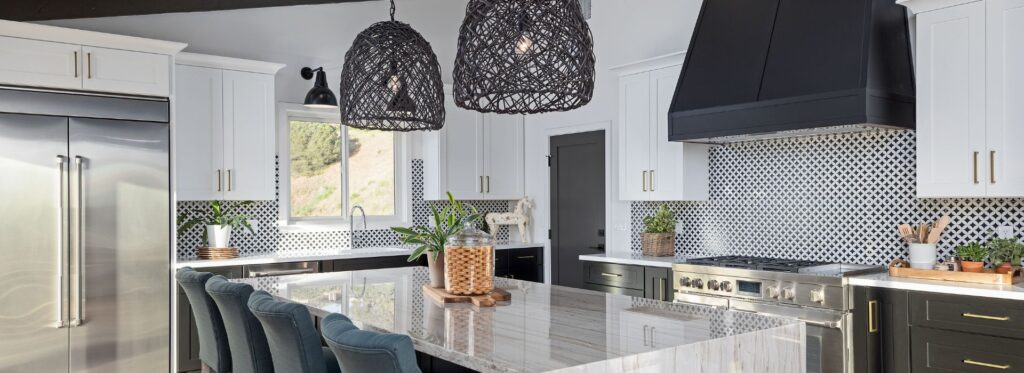
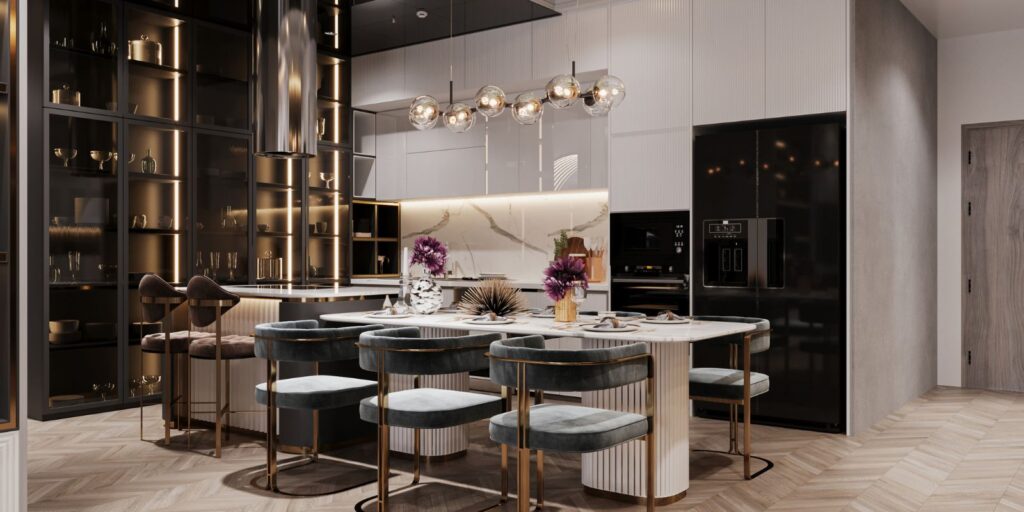
Frameless suits flat-panel and modern, low-ornament looks. Framed, especially full-overlay framed, covers everything from clean transitional Shaker to traditional raised-panel. If you already know the style you want, it usually points you toward a construction, and the reverse is true too. For help choosing the look itself, see our guide to kitchen cabinet styles.
Which holds up better in the San Antonio climate
Both hold up well when built well, and both fail when built cheaply. The deciding factor is not framed versus frameless; it is the box. San Antonio humidity, dry-heat swings, and slab-foundation movement are hard on cabinetry, and the enemy is a cheap, low-density box, not a particular category. A quality plywood box performs well, and so does premium high-density furniture board, which is engineered to stay flat and is the standard for good European frameless lines. Do not confuse that with cheap, low-density particle board, which swells once it takes on moisture. Choose the construction you like, then insist on a box built to survive South Texas.
What most San Antonio homeowners get wrong
They believe frameless adds interior space, when what it really adds is drawer width and access. They think frameless is the only way to get a modern look, when a full-overlay framed cabinet gets them there with an easier install. They put a budget particle-board box behind a frameless door and are surprised when it sags in a few humid years. And they forget that an older San Antonio home is rarely square, which is one reason framed construction can be the easier fit in a vintage kitchen
FAQ
What is the difference between framed and frameless cabinets?
A framed cabinet has a face frame on the front of the box; a frameless cabinet mounts the door directly to the box for full access and wider drawers.
Are frameless cabinets more expensive?
Sometimes slightly on the cabinet, but door style and material affect price more, and frameless usually costs more to install in older, out-of-square homes.
Which is better, framed or frameless?
Frameless for access and a modern feel, framed (especially full-overlay) for traditional looks and an easier fit in older homes.
Do frameless cabinets give more storage space?
They give wider drawer boxes and easier access for the same footprint, rather than more total interior volume.
Can you put inset doors on frameless cabinets?
No. Inset doors require a face frame to sit inside, so inset is a framed-only look.
Are frameless cabinets harder to install?
Yes. With no face frame to absorb imperfections, walls and floors need to be near plumb, so older homes take more scribing and shimming.
What happens next
First, book a design consultation and see framed and frameless side by side in our showroom, where the difference is obvious in seconds. Second, we measure your kitchen and tell you honestly which construction fits your space, your style, and how your home is built. Third, you receive a project proposal with your overall project cost and a detailed scope of work. Fourth, we order your semi-custom cabinets, produced in about 7 to 10 days, and schedule your installation. Explore both in our kitchen cabinets range, and when you are ready, book a design consultation in San Antonio.

New Generation Kitchen & Bath
Trusted Kitchen & Bath Remodeling in San Antonio
New Generation Kitchen & Bath is a full-service remodeling company with over 10 years of experience serving the greater San Antonio area. From complete kitchen remodels and custom cabinetry to bathroom renovations, we deliver quality craftsmanship, premium materials, and dependable service designed to bring your vision to life.